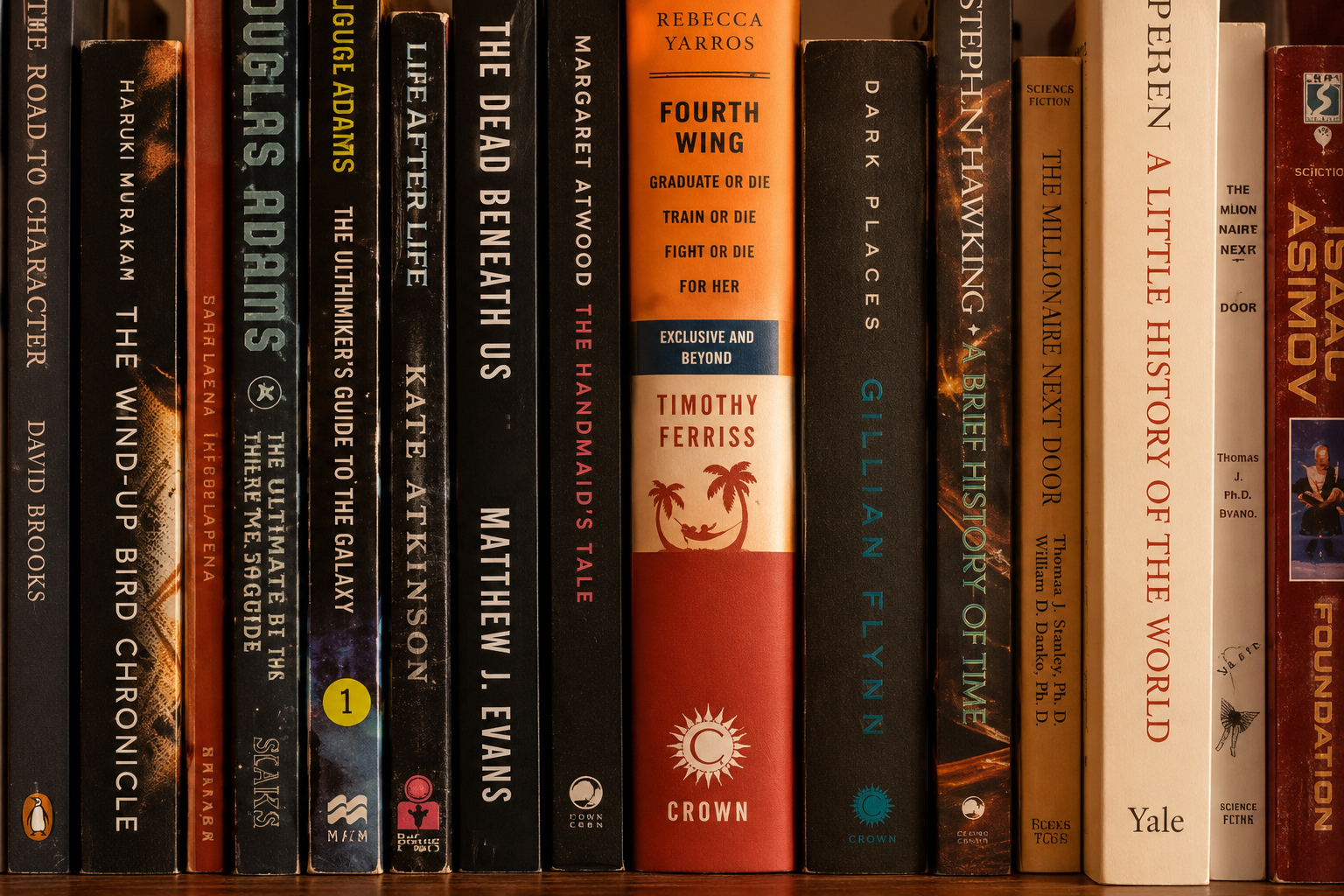
Why I’m Choosing Self-Publishing Over the Traditional Route
I sometimes hear the dismissive claim that self-published books are a product of “vanity publishing.” It’s a lazy and outdated attempt at an insult, and it usually comes from people who don’t understand the modern publishing landscape. Sometimes, it’s authors who went the traditional route years ago, when that was the only viable path. They have gone through the turmoil and disappointment of being rejected by agents and publishers over the years, and expect independent authors to endure the same struggle, as though it’s a rite of passage. Others parrot assumptions without grasping how far independent publishing has come.
Of course, we all know now that self-publishing is not vanity publishing. Vanity publishers charge authors to print books with little regard for quality or commercial viability. In contrast, self-publishing—when done properly—is a professional endeavour requiring skill, discipline, and business acumen. I don’t pay someone to publish me. I am the publisher, and my name is on the imprint.
Why People Distrust Self-Published Books
One of the challenges for self-published authors is the reputation created by self-published books that have not been produced with sufficient professional care. Some are rushed to market, poorly edited, published without beta-reader feedback, or given amateur-looking covers. More recently, the rise of generative AI has added to that problem, with large numbers of hastily produced books competing for readers’ attention. That is frustrating for those of us who take the process seriously. The good news is that readers are discerning. In the end, quality usually wins the day.
Traditional Publishers
Traditional publishers, like any business, operate within a realm of risk. They want to make a profit, and some of them really do take a risk on new authors. Their main investment is in books they believe will sell, including safe bets like celebrity names and established series. Debut authors without a platform are a gamble. They have to run a business. If your book doesn’t perform straight away, they won’t keep throwing money at it. That’s not a criticism; it’s just the economics of publishing.
Why Self-Publishing Is My Current Method of Publishing
I chose to go independent because I didn’t want to wait eighteen months for a book I finished a year earlier to reach readers. It was not because traditional publishing was out of my reach. Self-publishing offers the freedom to publish on my own terms. I choose my covers, set my own timelines, work with editors I trust, control pricing, and retain all rights to my work. I don’t need permission to experiment with new genres or respond quickly to market trends. That speed and flexibility suit both my personality and my readers.
It’s hard work. Being a self-published author means that I’m my own marketing department, publicist, designer, and strategist. I run Facebook ads, build my mailing list, interact with readers, and sell directly. I learn, test, and improve. It’s all that marketing stuff that takes the majority of my time, not the writing. It’s worth it because I believe in the stories I write, and I take responsibility for getting them into readers’ hands. Marketing costs require upfront financial investment, and you must also be emotionally invested for the long term. It’s not a get-rich-quick scheme.
But I earn 70% royalties on my ebooks, and every sale is mine. I’ve sold thousands of books and built a growing readership, with no middleman taking a cut or diluting my brand.
Memberships
I’m also a professional member of the Crime Writers’ Association, an organisation that doesn’t accept just anyone. I had to demonstrate that my books are selling and that I approach both writing and publishing with professional standards. In addition, I’m a member of the Alliance of Independent Authors, a respected body that champions ethics and excellence in self-publishing. These memberships aren’t just badges—they reflect the serious commitment I’ve made to my craft and my readers.
Conclusion
Some people still cling to the idea that traditional publishing offers more legitimacy. But times have changed. There are traditionally published authors earning less and reaching fewer readers than successful indies. And many traditionally published writers now turn to self-publishing for greater control, quicker income, and creative freedom.
I’m not anti-traditional publishing. For some authors, it’s the right path. But for me, independent publishing is a serious, professional, and rewarding career choice, not a second-best option or a shortcut. I may even take a project or two that way; the choice is mine.
At the end of the day, this is my journey. Yours may differ, and that’s fine. But let’s drop the snobbery. Writing is hard. Publishing is harder. If you’re creating books and reaching readers, then you’re doing the work. Whether you’re published by a Big Five house or by yourself, we all share the same goal: to tell stories that matter.
And if you’re still not sure whether self-publishing is a legitimate path, consider this list of authors who have self-published—at least at some point in their careers:
Jane Austen, Mark Twain, Margaret Atwood, Andy Weir, Mark Dawson, John Grisham, Beatrix Potter, Gertrude Stein, Deepak Chopra, Henry David Thoreau, Virginia Woolf, Tom Clancy, L. Frank Baum, William Blake, Elizabeth Barrett Browning, Lord Byron, E. E. Cummings, Alexandre Dumas, T. S. Eliot, Benjamin Franklin, Thomas Hardy, Ernest Hemingway, Stephen King, Rudyard Kipling, D. H. Lawrence, Edgar Allan Poe, Alexander Pope, George Bernard Shaw, Percy Bysshe Shelley, Alfred Lord Tennyson, Leo Tolstoy, Walt Whitman, LJ Ross, JD Kirk.
If you’re curious about self-publishing, I highly recommend Barry Hutchison’s (aka JD Kirk) course Page to Published. It’s a practical, no-nonsense guide to making self-publishing work, especially if you’re serious about writing as a career.
We’re in good company.
Featured image (edited) by Stephen Phillips
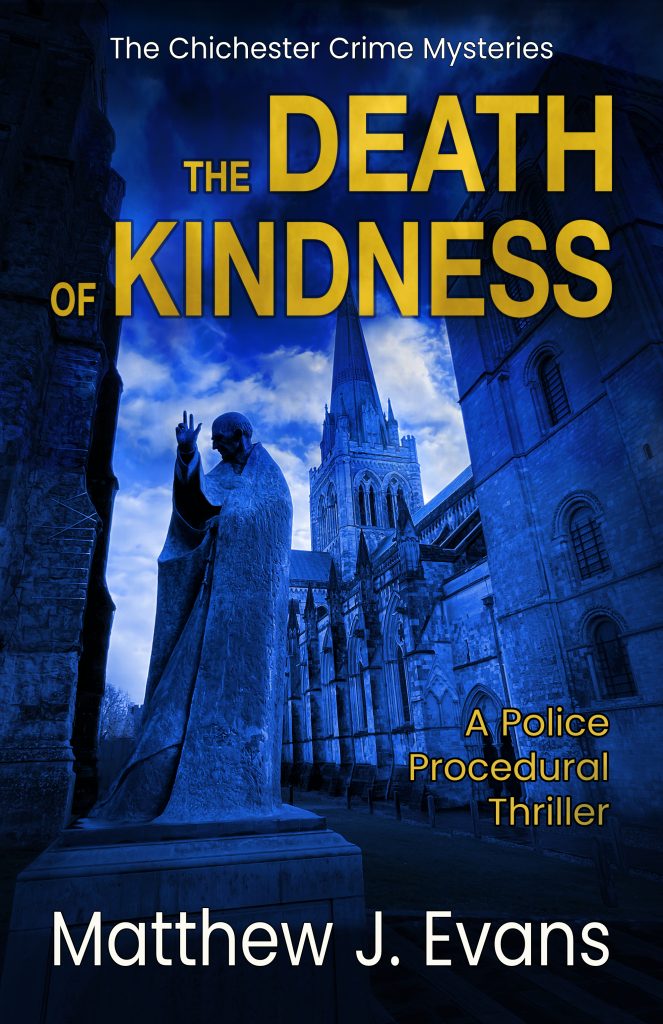
My latest police procedural was self-published in April 2026
Article updated 26/06/2026