Self-publishing has produced some wonderful books, but it has also earned itself a mixed reputation. Some self-published work is excellent. Some, unfortunately, is hit and miss. There are books out there that feel rushed, as though they were published before they were ready, without the benefit of a professional editor. That reputation has not been helped by those who now rely on artificial intelligence to do the writing for them—one of my pet hates.
When I set out on this writing journey, I wanted to do it as professionally as I could. I wanted my stories to be properly edited. I wanted them to stand out, to entertain, and to give readers the sense that care had gone into every stage of the process.
That does not mean I came into writing as the finished product. Far from it. My writing has improved since my first series. I look back at those earlier books and know I would do some things differently now. But they are still an important part of my writing journey. They show where I started, how I developed, and how every book teaches an author something new.
Writing the story is the easy part. I can write a first draft from beginning to end in about three months. I write quickly because, before I begin, I usually know the who, why, where, when, and how of the major crime at the heart of the book. What I do not always know is exactly how the story will be told. That unfolds for me in much the same way it unfolds for the reader.
Then comes the editing.
This part of the process takes far longer than the first draft. I begin by editing the manuscript myself. I look for continuity errors, problems with flow, obvious grammar mistakes, repeated words, loose ends, and anything that does not quite sit right. I then read the story out loud to myself, which is where I often find the truly awful clangers. There is nothing quite like hearing your own bad sentence spoken aloud to make you question every life choice that led you to that moment.
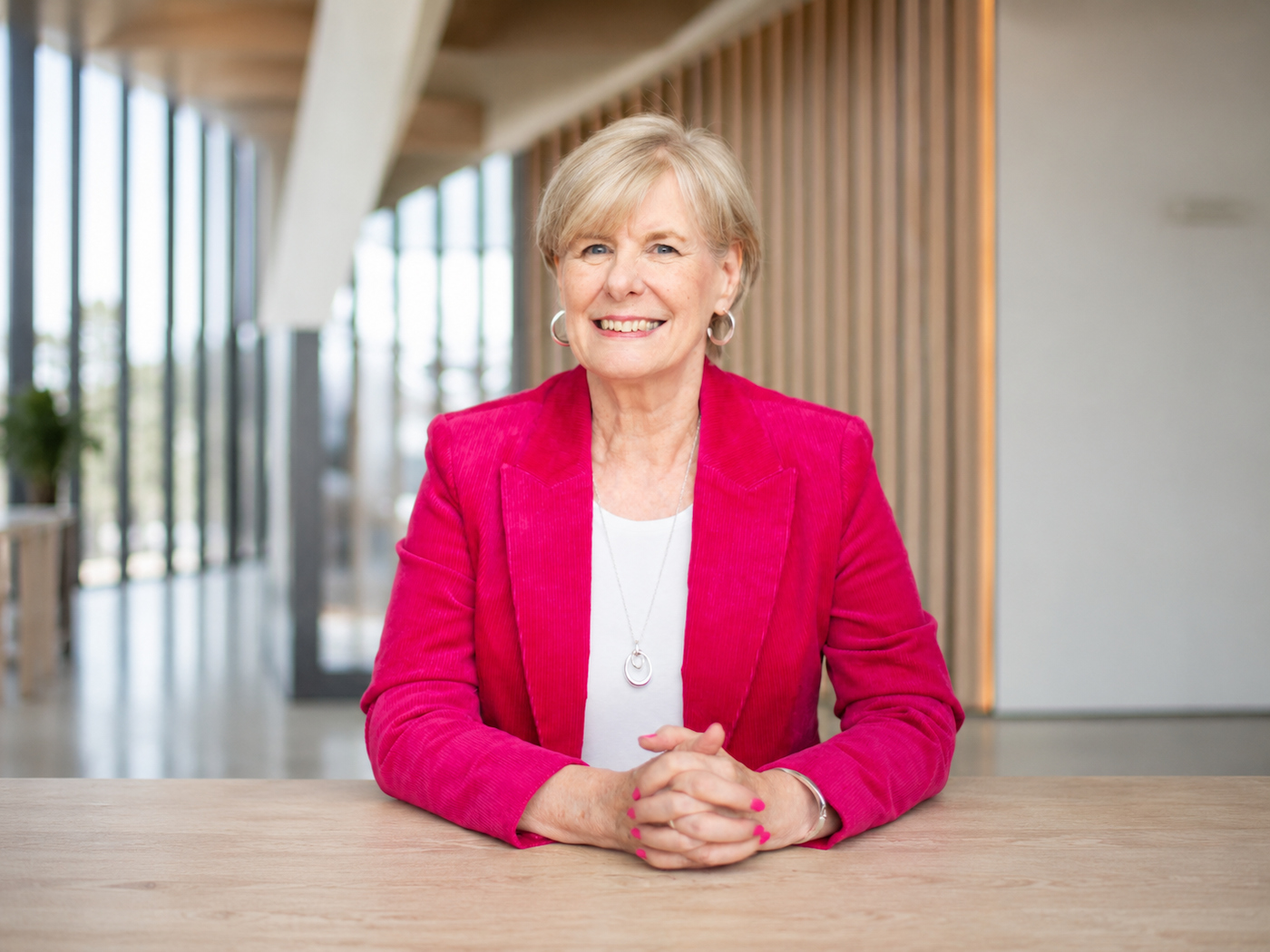
Once I have done as much as I can, I pass the story to my developmental editor, Valerie Evans.
A developmental editor is not there simply to correct spelling and grammar. That comes later. Developmental editing looks at the story as a whole. It asks whether the plot works, whether the structure is strong, whether the pacing holds the reader, whether the characters develop naturally, whether the conflict has enough force, and whether the resolution feels earned. It is about the bones of the book. Are they strong enough to carry the story?
Val reads the manuscript with that in mind. She looks at the flow of the story, the areas of conflict and resolution, the emotional weight of certain scenes, and the development of the main characters. She will challenge me if a scene is not working, if a character’s behaviour does not feel convincing, or if the story needs more tension at a particular point.
It was Val who suggested that the initial relationship between Dinescu and Summers did not have enough conflict in the first book of the Chichester Crime Mysteries series, The Dead Beneath Us. She felt there needed to be more friction when Summers first joined the team. That suggestion changed the dynamic of the book and gave their relationship more depth from the beginning.
It doesn’t take a detective to work out that Val is my wife. Don’t let that fool you—or me. She is brutally honest with me. She will challenge me on my writing, my structure, my characters, and sometimes my stubborn belief that a scene is absolutely necessary when, in truth, it is doing very little apart from sitting there looking pleased with itself. It is not always what I want to hear, but it is exactly what I need to hear.
She is also more than qualified to do it. Val studied English and Creative Writing at university, achieving a first-class honours degree, followed by a distinction in her MA. She knows her stuff. I, on the other hand, took five attempts to pass my English Language O-level at school, so I try not to argue for too long.
Once Val has completed her first read, I make changes. She will then read the story again, sometimes once, sometimes twice, and we work through further changes. This is an iterative process. A chapter may move. A scene may be cut, a character moment may need sharpening, or a plot point may need more groundwork. Sometimes a small comment from her leads to a major improvement in the book.
By this stage, I am usually frazzled and convinced I will never write another word again. So I pause. I step away. Then, after a little time, I come back to the manuscript and begin my final read-throughs. I read aloud, check grammar and spelling, and again, I find things I cannot believe I missed the first, second, or third time.
Once this exhaustive and exhausting process is complete, I create the book and pass it to my wonderful beta readers. They are my final sanity check.
You would be surprised how many errors can still slip through at this point. They are often the maddening little things: it’s and its, their and there, the wrong name, the wrong rank, a speech tag in the wrong place, or the wrong person speaking. These are so hard to find when you have lived inside the manuscript for months.
My beta readers are my last line of defence. They are excellent at spotting late issues, and one of them is a former detective. He will often raise a question or two about police procedure, and he has an expert eye for detail.
Val’s Work
Without Val’s input, professionalism, and encouragement, I do not think I could continue to write in the way I do. Her work improves the books, but it also improves me as a writer. She helps me see the story more clearly and understand what I am trying to achieve. She also tells me, when necessary, that something simply is not working.
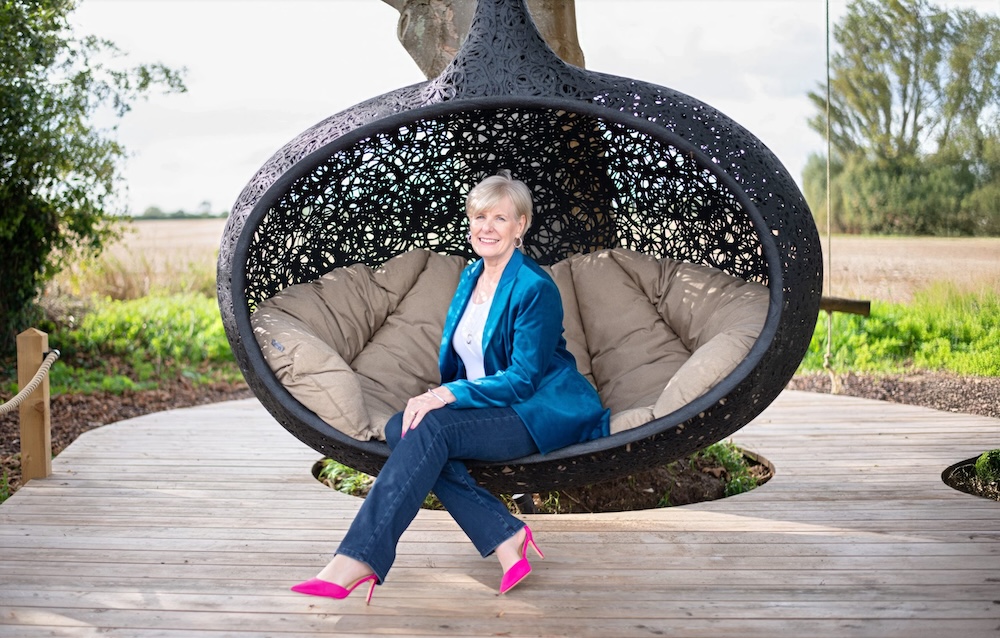
All of this is on top of her full-time work as a life coach. She enjoys using her natural empathy, insight, and problem-solving skills to help others work through their own real-life stories and find their direction. Many of the people she works with are carrying versions of themselves they’ve outgrown. They may feel stuck in their jobs, held back by self-defeating thoughts, or shaped by difficult experiences that still affect the decisions they make.
Val helps them recognise what is holding them back and reach a place where they can make clearer, freer decisions about their own lives.
In many ways, there is a connection between all the work she does. Whether she is helping a writer strengthen a story or helping someone understand the next chapter of their life, Val has a gift for seeing the shape beneath the confusion.
To find out more about Val and her work, click here: Valerie Evans – Transformational Life Coach